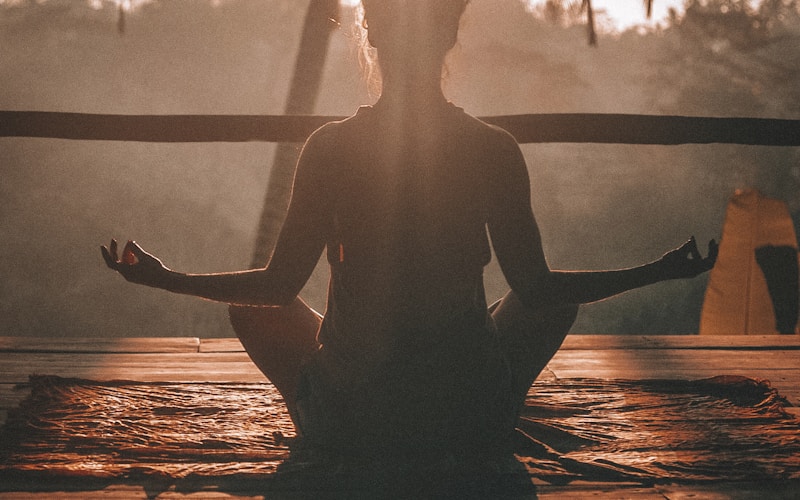
There is a particular quality of stillness that exists only in places where time has gently loosened its grip. In Cambodia's sprawling temple complexes, centuries of monsoon rain and relentless jungle growth have slowly unraveled the ambitions of the Khmer Empire, leaving behind sandstone skeletons draped in strangler figs and carpeted with wildflowers. It is precisely this marriage of decay and renewal, of ancient stone and living bloom, that draws wellness seekers and contemplative travelers from every corner of the globe to Siem Reap and the surrounding provinces.
I arrived in Cambodia not as an archaeologist or a historian but as someone searching for a very specific kind of quiet. The wellness retreat industry has exploded across Southeast Asia in recent years, but Cambodia offers something that the polished resorts of Bali and the meditation centers of northern Thailand cannot replicate: an unscripted, raw encounter with beauty that asks nothing of you except your presence.
The Temple Gardens: Where Meditation Happens Naturally
Most visitors to the Angkor Archaeological Park make the pilgrimage to Angkor Wat at dawn, and for good reason. The silhouette of the five lotus-bud towers reflected in the surrounding moat against a sky of salmon and amber is one of those rare sights that genuinely overwhelms the senses. But the wellness traveler would be wise to also seek out the less frequented temples, where solitude and floral abundance combine to create what can only be described as open-air meditation halls.
Ta Prohm, famously featured in the film Tomb Raider, is the most dramatic example of nature's patient reclamation. Silk-cotton and strangler fig trees have woven their roots through gallery walls and over carved lintels, creating a living architecture that blurs the boundary between the constructed and the organic. In the rainy season, wild orchids colonize crevices in the masonry, and bright green moss turns every horizontal surface into a velvet cushion. Walking through Ta Prohm's corridors is an inherently mindful experience: the uneven ground demands your attention, and the interplay of filtered light and deep shadow naturally draws the eye inward.
The Sacred Lotus: Cambodia's Living Symbol of Renewal
No flower is more deeply woven into Cambodian culture, spirituality, and daily life than the lotus. In Buddhism, the lotus represents purity, enlightenment, and the capacity to rise above suffering. That it grows in muddy water and yet produces blossoms of extraordinary delicacy is a metaphor that resonates across centuries and continents. For the wellness-oriented traveler, the lotus is more than symbolism. It is a tangible, living invitation to reflect on resilience and transformation.
Throughout the Angkor complex, ancient reservoirs called barays and smaller ceremonial pools still fill with rainwater each monsoon season, and within weeks, lotus plants carpet the surface in pads of deep green. By late October, the pink and white blooms open at dawn, releasing a subtle, sweet fragrance that perfumes the surrounding air. Sitting beside these lotus pools in the early morning, with temple spires rising through the mist behind you and the quiet splash of fish below, is one of the most profoundly peaceful experiences available to the modern traveler.
In the space between a crumbling wall and a blooming lotus, I found the kind of stillness that no meditation app or wellness retreat can manufacture.
Frangipani and the Art of Temple Walking
While the lotus dominates Cambodia's spiritual iconography, the frangipani tree, known locally as champa, is the temple complex's most aromatic companion. Frangipani trees were planted around Khmer temples for centuries, their fragrant white and yellow blossoms offered in religious ceremonies. Today, mature specimens line the causeways and courtyards of temples across the Angkor park, dropping their five-petaled flowers onto sandstone paths where they accumulate in fragrant drifts.
Incorporating a temple walk into your wellness routine is straightforward and deeply rewarding. Choose a less-visited temple such as Banteay Kdei or Preah Khan and arrive shortly after the gates open at seven thirty in the morning. Move slowly. Resist the urge to photograph everything immediately. Instead, allow your senses to settle: the cool, slightly damp air that lingers in the stone corridors; the distant call of a greater coucal in the canopy; the scent of frangipani mingled with damp earth. This is walking meditation without a teacher, guided by the architecture itself.
Wellness Retreats in the Shadow of Angkor
Siem Reap has evolved from a dusty backpacker waypoint into a sophisticated wellness destination. Several world-class retreats now operate in the area, many of them drawing explicitly on the contemplative traditions embedded in Cambodia's Buddhist heritage.
Navutu Dreams Resort and Wellness Retreat
Set amid rice paddies on the outskirts of Siem Reap, Navutu Dreams specializes in yoga, meditation, and holistic health programs ranging from three to twenty-one days. Their signature "Temple Mindfulness" excursion pairs a guided sunrise visit to a lesser-known temple with a two-hour meditation and journaling session led by a former Buddhist monk. Accommodation is in airy, sustainably built villas surrounded by tropical gardens.
Shinta Mani Angkor
For those who prefer luxury without compromising on wellness, Shinta Mani offers spa treatments using locally sourced botanicals, many of them drawn from traditional Khmer healing practices. Their "Lotus Ritual" spa experience uses lotus seed oil, jasmine rice scrubs, and Cambodian honey in a two-hour treatment that leaves the skin luminous and the mind remarkably calm.
Phare Performing Arts and Mindful Movement
Wellness is not only stillness. Phare, the Cambodian Circus, represents the nation's extraordinary capacity for renewal. Founded as a school for at-risk youth, Phare produces world-class performances that fuse traditional Khmer dance, modern circus arts, and deeply personal stories of resilience. Attending a show is an emotional, embodied experience that many visitors describe as profoundly moving and unexpectedly therapeutic.
The Countryside: Where the Real Cambodia Blooms
Beyond the temple zone, rural Cambodia unfolds in a patchwork of rice paddies, sugar palm groves, and lotus-filled ponds that has changed little in generations. Cycling or motorbike excursions through the countryside surrounding Siem Reap offer a slower, deeper immersion into Cambodian life and landscape. Village homestays are increasingly available and provide a genuine connection to local culture that resort stays, however beautiful, cannot replicate.
Along the dusty red roads, you will encounter small wooden houses elevated on stilts, their yards shaded by mango and coconut trees and their borders planted with jasmine, bougainvillea, and the ever-present lotus growing in clay jars by the front steps. Children may wave from hammocks strung beneath the houses. Monks in saffron robes walk in single file along the road shoulders. Everywhere, flowers bloom with an abundance that feels almost deliberate, as if the landscape itself is practicing generosity.
Practical Guidance for the Wellness Traveler
The optimal season for visiting Cambodia's temples and flower blooms runs from November through February, when the monsoon has ended, temperatures are moderate (mid-twenties to low thirties Celsius), and the landscape is at its most lush following the rains. The lotus blooming season peaks from October through December, though some flowers persist into January in the larger reservoirs.
- Temple passes: A three-day Angkor pass (currently sixty-two US dollars) is the best value for wellness-focused visits, allowing unhurried exploration of multiple temples across non-consecutive days.
- Footwear: Sturdy, comfortable shoes with ankle support are essential for navigating uneven temple floors and tree-root-covered paths.
- Hydration: Carry at least two liters of water. The humidity, even in the "cool" season, is significant, and dehydration undermines any mindfulness practice.
- Sun protection: A wide-brimmed hat and mineral sunscreen are indispensable. Many temples have limited shade between structures.
- Respectful dress: Shoulders and knees must be covered to enter temple interiors. Lightweight, breathable linen in neutral tones is both respectful and practical.
- Timing: Arrive at your chosen temple at opening time. By ten in the morning, tour groups arrive in volume and the contemplative atmosphere diminishes considerably.
Cambodia does not offer wellness as a packaged product. It offers something more valuable and more elusive: the raw materials for an encounter with stillness, beauty, and renewal that you assemble yourself, at your own pace, guided by the gentle insistence of flowers pushing through ancient stone. In a world increasingly saturated with curated wellness experiences, that authenticity is becoming the rarest luxury of all.
Sophia Reyes
Sophia has spent the past decade exploring the intersection of travel and wellbeing across Southeast Asia, South America, and the Mediterranean. A certified yoga instructor and former editor at Wanderlust Magazine, she writes exclusively for Relaxing Shows about destinations where nature, culture, and inner peace converge.