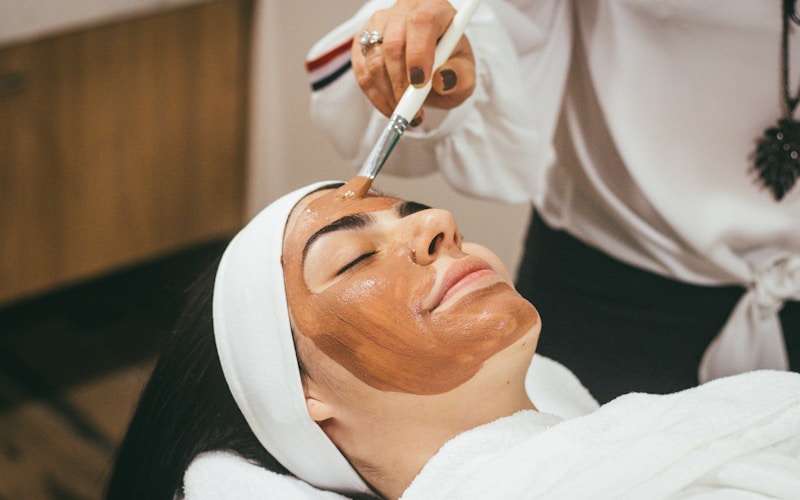
Radiant, clear skin should not require a second mortgage. Yet the global skincare industry, now valued at over one hundred and forty billion dollars, has done an extraordinary job of convincing consumers that effective acne management demands expensive serums, exclusive treatments, and products with ingredient lists that read like chemistry dissertations. The truth, backed by decades of peer-reviewed dermatological research, is far more empowering: most of what your skin needs to stay clear, healthy, and luminous is available at your local drugstore for under fifteen dollars.
This guide distills the science into practical, affordable strategies. We will explore the surprisingly significant relationship between diet and acne, the active ingredients that genuinely work, the routines that dermatologists recommend to their own families, and the costly mistakes that well-intentioned skincare enthusiasts make every day.
The Dairy-Acne Connection: What Science Actually Shows
For decades, dermatologists dismissed the idea that diet influenced acne. The prevailing medical consensus held that breakouts were purely hormonal and bacterial in origin, and that what you ate had no bearing on the condition of your skin. That consensus has shifted dramatically in the past fifteen years, driven by large-scale epidemiological studies and a deeper understanding of how dietary factors interact with the endocrine system.
The most robust evidence concerns dairy, particularly skim milk. A landmark 2005 study published in the Journal of the American Academy of Dermatology followed over forty-seven thousand women and found a statistically significant association between dairy intake and acne prevalence. Subsequent studies in adolescent boys confirmed the finding. The mechanism appears to involve insulin-like growth factor 1 (IGF-1) and other bioactive hormones naturally present in cow's milk, which can stimulate sebaceous gland activity and promote the kind of inflammation that characterizes acne.
"When patients with persistent, treatment-resistant acne tell me they consume dairy daily, a two-week elimination trial is often the most illuminating diagnostic step we can take." Dr. Nina Patel, Dermatologist
This does not mean dairy causes acne in everyone. Genetics, overall hormonal balance, and individual sensitivity all play a role. However, if you have been struggling with stubborn breakouts despite a reasonable skincare routine, a structured two-to-four-week dairy elimination trial is a cost-free experiment worth conducting. During the trial, replace cow's milk with oat, almond, or soy alternatives and eliminate cheese, yogurt, and whey protein supplements. Document your skin's response with daily photographs in consistent lighting.
Dermatologist Tip
If eliminating dairy produces noticeable improvement, reintroduce one dairy product at a time (milk first, then cheese, then yogurt) at weekly intervals to identify which specific products trigger your breakouts. Most patients find they can tolerate fermented dairy (yogurt, aged cheese) better than liquid milk.
The Budget Cleanser Guide: What Actually Matters in a Face Wash
Walk into any beauty retailer and you will face an entire wall of cleansers ranging from three dollars to over sixty dollars. The overwhelming reality is this: the difference in efficacy between a well-formulated drugstore cleanser and its luxury counterpart is negligible. What matters is not the brand or the price tag but the active ingredients, the pH level, and the formulation's compatibility with your specific skin type.
Key Active Ingredients for Acne-Prone Skin
- Salicylic acid (0.5% to 2%): A beta-hydroxy acid (BHA) that dissolves within the pore lining, breaking down the sebum and dead skin cells that create blockages. Ideal for blackheads, whiteheads, and mildly inflamed acne. It is oil-soluble, meaning it penetrates deeper into pores than water-soluble alternatives.
- Benzoyl peroxide (2.5% to 5%): Kills the C. acnes bacteria responsible for inflammatory acne. Research consistently shows that 2.5% is nearly as effective as 10% concentrations but causes significantly less irritation and dryness.
- Niacinamide (2% to 5%): Vitamin B3 reduces sebum production, strengthens the skin barrier, and visibly diminishes post-inflammatory hyperpigmentation (the dark marks acne leaves behind). Beautifully tolerated by sensitive skin.
- Glycolic acid (5% to 8%): An alpha-hydroxy acid (AHA) that exfoliates the skin surface, preventing dead cells from accumulating and clogging pores. Best used in evening routines, as it increases sun sensitivity.
The Ideal Budget Skincare Routine
Effective skincare does not require ten steps. In fact, overcomplicating your routine is one of the most common mistakes that exacerbates acne rather than resolving it. Here is a streamlined, dermatologist-approved routine that costs under thirty dollars per month:
Gentle Cleanser (Morning & Evening)
Wash with a pH-balanced (5.0 to 5.5) cleanser containing salicylic acid or benzoyl peroxide. Use lukewarm water. Hot water strips the skin barrier and triggers compensatory oil production. Cleanse for sixty seconds, not ten. Most people under-wash.
Targeted Treatment (Evening Only)
Apply a thin layer of 2.5% benzoyl peroxide gel or adapalene (0.1%) to active breakout zones. Adapalene, formerly prescription-only, is now available over the counter and is the gold standard for preventing new acne lesions from forming.
Lightweight Moisturizer (Morning & Evening)
Even oily, acne-prone skin needs hydration. Choose a non-comedogenic, fragrance-free moisturizer with ceramides or hyaluronic acid. Skipping moisturizer damages the skin barrier, increasing sensitivity and paradoxically increasing oil production.
Sunscreen SPF 30+ (Morning)
Non-negotiable. Post-acne marks darken dramatically with UV exposure. Use a lightweight, mineral-based (zinc oxide) or hybrid sunscreen that will not clog pores. Reapply every two hours if outdoors.
Common Mistakes That Make Acne Worse
In my seventeen years of clinical practice, I have seen the same patterns repeat across thousands of patients. Understanding what not to do is often more valuable than knowing what to do:
- Over-cleansing and over-exfoliating: Washing more than twice daily or using harsh scrubs damages the skin barrier, leading to increased sensitivity, redness, and paradoxically more breakouts. The "squeaky clean" sensation most people associate with cleanliness actually indicates that the skin's protective acid mantle has been stripped.
- Introducing too many products simultaneously: When you start three new products on the same day and experience a reaction, you have no way of identifying the culprit. Introduce one new product at a time, waiting a minimum of two weeks before adding the next.
- Abandoning treatments too quickly: Retinoids and benzoyl peroxide often cause a temporary worsening (purging) during the first two to four weeks before producing improvement. Many patients quit just as the treatment is beginning to work. Commit to a minimum eight-week trial before judging any acne treatment's efficacy.
- Touching your face: The average person touches their face twenty-three times per hour. Each touch transfers bacteria, oil, and debris from your hands to your skin. This single behavioral change, keeping your hands away from your face, can produce measurable improvement within weeks.
- Neglecting pillowcase hygiene: You spend eight hours pressing your face into fabric that accumulates oil, dead skin, and bacteria. Change your pillowcase every two to three days, or place a fresh cotton T-shirt over your pillow each night.
When to See a Professional
While budget-friendly routines are effective for mild to moderate acne, certain situations warrant professional dermatological care. Seek a consultation if your acne is primarily deep, painful cystic lesions; if over-the-counter treatments have not produced improvement after twelve consistent weeks; if your acne is leaving permanent scars; or if breakouts are accompanied by other symptoms such as irregular menstruation, excessive hair growth, or significant hair thinning, which may indicate an underlying hormonal condition requiring medical evaluation.
The path to clear skin is rarely instantaneous, but it need not be expensive. Armed with the right knowledge, a handful of well-chosen products, and the patience to allow your skin to respond, radiant, healthy skin is achievable at every budget. The most powerful ingredient in any skincare routine is not retinol or vitamin C. It is consistency.

Dr. Nina Patel
Dr. Patel is a board-certified dermatologist with seventeen years of clinical experience specializing in acne, rosacea, and preventive skincare. A graduate of Johns Hopkins School of Medicine, she is passionate about making evidence-based skincare accessible to all and is a regular contributor to Relaxing Shows.